

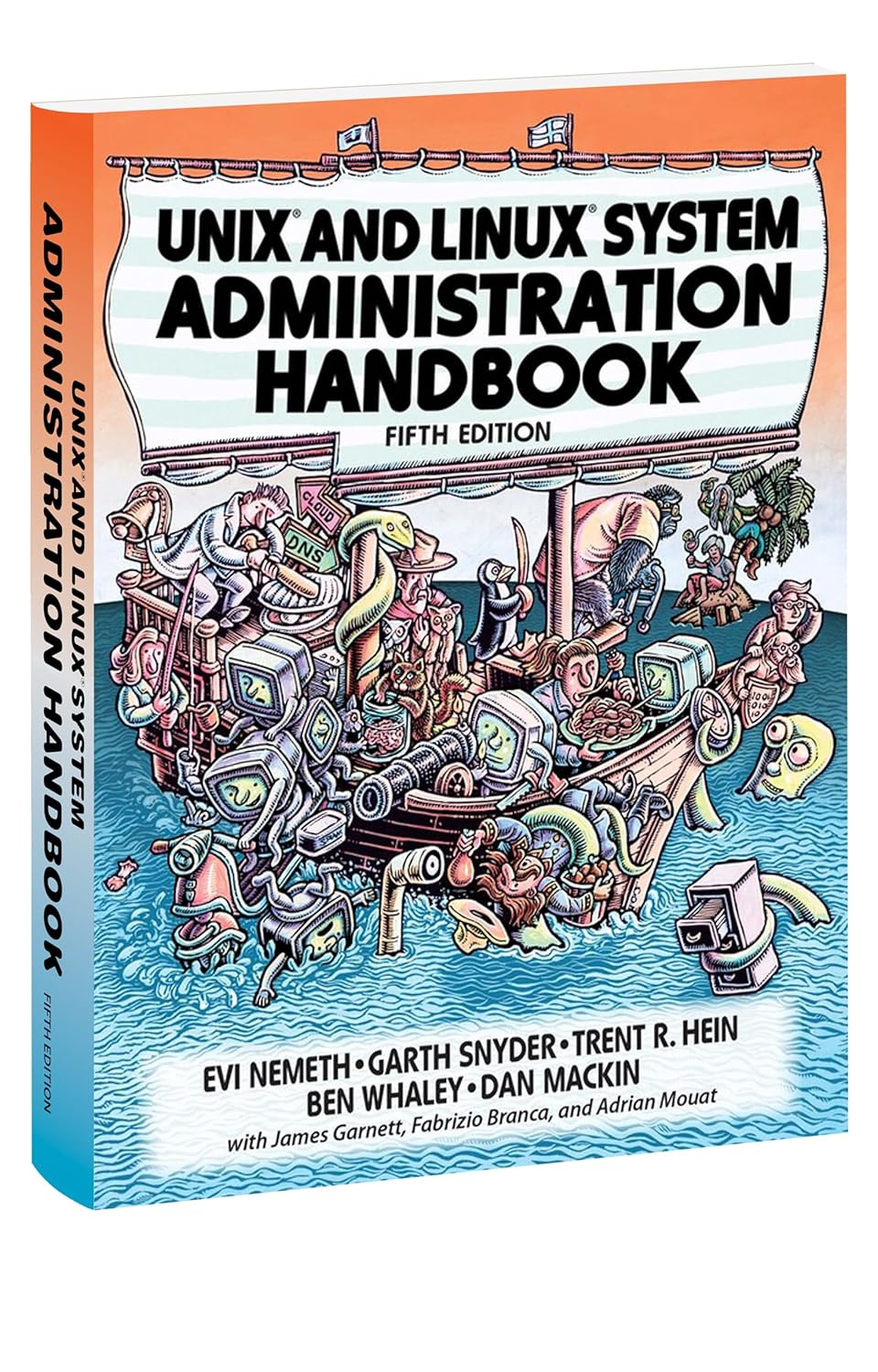
UNIX and Linux System Administration Handbook: The Ultimate Guide for SysAdmins in 2026
Introduction
For over three decades, the UNIX and Linux System Administration Handbook has been the go-to resource for system administrators, DevOps engineers, and IT professionals. Now in its 5th edition, this comprehensive guide covers everything from basic commands to advanced automation, security, and cloud integration.
Whether you’re a beginner looking to break into system administration or a seasoned pro needing a reliable reference, this book is an invaluable tool. Below, we’ll explore what makes this handbook essential, its key updates in the 5th edition, and why it should be on every sysadmin’s bookshelf.
Why Is the UNIX and Linux System Administration Handbook a Must-Read?
1. Comprehensive Coverage of UNIX and Linux Systems
This handbook provides in-depth explanations of:
- Core UNIX and Linux concepts, including file systems, networking, and user management.
- Shell scripting and automation to streamline repetitive tasks.
- Security best practices, including firewalls, encryption, and access control.
- Virtualization and containerization (Docker, Kubernetes, and VMs).
- Cloud and DevOps integration, covering AWS, Azure, and CI/CD pipelines.
This makes it ideal for administrators working with Red Hat, Ubuntu, Debian, CentOS, and other distributions.
2. Updated for Modern IT Environments (5th Edition Highlights)
The 5th edition includes critical updates for 2026, such as:
- Expanded coverage of cloud platforms (AWS, Google Cloud, Azure).
- New chapters on container orchestration (Kubernetes, Docker Swarm).
- Updated security protocols to protect against modern cyber threats.
- Automation with Ansible, Puppet, and Chef for efficient system management.
- Performance tuning for high-traffic servers and databases.
3. Practical, Real-World Examples
Unlike theoretical textbooks, this handbook focuses on practical, real-world scenarios. You’ll find:
- Step-by-step guides for troubleshooting common issues.
- Best practices for scaling infrastructure.
- Case studies from experienced sysadmins.
4. Written by Industry Experts
Authors Evi Nemeth, Garth Snyder, Trent R. Hein, and Ben Whaley bring decades of combined experience in UNIX and Linux administration. Their clear, concise writing style makes complex topics accessible to readers at all levels.
Who Should Read This Book?
- Beginner SysAdmins – Learn the fundamentals of UNIX and Linux administration from the ground up.
- Experienced IT Professionals – Use it as a reference guide for advanced topics like security, automation, and cloud integration.
- DevOps Engineers – Master containerization, CI/CD, and infrastructure as code (IaC).
- Students and Educators – A comprehensive textbook for computer science and IT courses.
- Homelab Enthusiasts – Perfect for setting up and managing your own Linux servers.
How Does It Compare to Other Linux Administration Books?
While there are many books on Linux administration, the UNIX and Linux System Administration Handbook stands out because of its:
- Depth of coverage – Covers both UNIX and Linux, unlike books that focus solely on one.
- Practical approach – Less theory, more real-world applications.
- Longevity – Trusted by generations of sysadmins since its first edition.
- Regular updates – The 5th edition keeps pace with modern IT trends like cloud computing and DevOps.
Key Takeaways from the Book
1. Master the Command Line
Learn essential commands for file management, process monitoring, and system diagnostics. The book includes cheat sheets for quick reference.
2. Automate Repetitive Tasks
Discover how to use Bash, Python, and automation tools like Ansible and Puppet to save time and reduce errors.
3. Secure Your Systems
Understand firewalls, SELinux, AppArmor, and encryption to protect your infrastructure from cyber threats.
4. Optimize Performance
Learn tuning techniques for databases, web servers, and networks to ensure smooth operation under heavy loads.
5. Deploy in the Cloud
Get practical guidance on migrating infrastructure to AWS, Azure, and Google Cloud.
Customer Reviews and Ratings
The UNIX and Linux System Administration Handbook (5th Edition) has earned near-perfect ratings on Amazon, with readers praising its:
- Clarity and depth – Even complex topics are explained in an easy-to-understand manner.
- Practical examples – Helps readers apply concepts immediately.
- Comprehensive coverage – Serves as both a tutorial and a reference guide.
Here’s what some readers are saying:
- “This book is the Bible of Linux administration. I’ve used it for years and still refer to it daily.” – Verified Amazon Reviewer
- “The 5th edition is a game-changer with its updates on cloud and DevOps. A must-have for modern sysadmins.” – IT Professional
- “If you’re serious about Linux system administration, this is the only book you need.” – DevOps Engineer
Final Verdict: Is the UNIX and Linux System Administration Handbook Worth It?
Absolutely! This book is essential if you want to:
✔ Build a strong foundation in UNIX and Linux administration.
✔ Stay updated with modern IT practices like cloud and DevOps.
✔ Troubleshoot and optimize systems like a pro.
✔ Automate tasks to improve efficiency.
For under $50, it’s one of the best investments you can make in your IT career.
Frequently Asked Questions (FAQs)
Q: Is this book suitable for beginners?
A: Yes! While it covers advanced topics, it starts with fundamentals, making it accessible to beginners.
Q: Does it cover both UNIX and Linux?
A: Yes, it provides comprehensive coverage of both, including differences between distributions.
Q: Is the 5th edition significantly different from previous editions?
A: Yes, it includes new chapters on cloud computing, containerization, and modern DevOps practices.
Q: Can I use this book to prepare for certifications like RHCSA or LPIC?
A: Absolutely! It aligns well with certification objectives and is a great supplement to official study guides.
Conclusion
The UNIX and Linux System Administration Handbook (5th Edition) is the definitive guide for anyone working with UNIX or Linux systems. Whether you’re managing servers, deploying cloud infrastructure, or automating IT tasks, this book provides the knowledge and tools you need to succeed.
Grab your copy on Amazon today!
